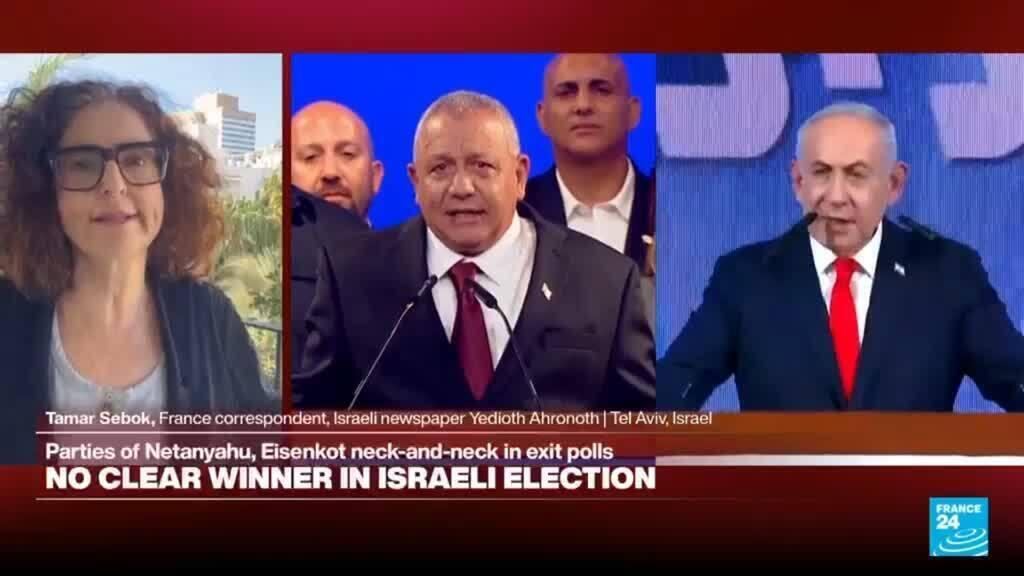
Oliver Farry is pleased to welcome Tamar Sebok, correspondent for the Israeli daily Yedioth Ahronoth based in France. In an Israeli election marked by political uncertainty, unusually high voter participation and a significant mobilisation of Arab voters, the struggle for power extends far beyond the ballot box. As Sebok explains, the decisive question is not necessarily which party wins the most seats, but which political leader can assemble a viable governing coalition.
“You don't know until the coalition is formed who really won,” Sebok observes, capturing the fundamental uncertainty of Israel's parliamentary system. “It's not a question of having the most mandates. It's the question of what kind of acceptance you get from the other parties.”
Her analysis illuminates a central paradox of coalition politics: smaller parties can exercise influence disproportionate to their electoral strength when larger parties depend on them to secure a parliamentary majority. As Sebok pu

Discussion
Get the discussion rolling
A single comment can start something great.