
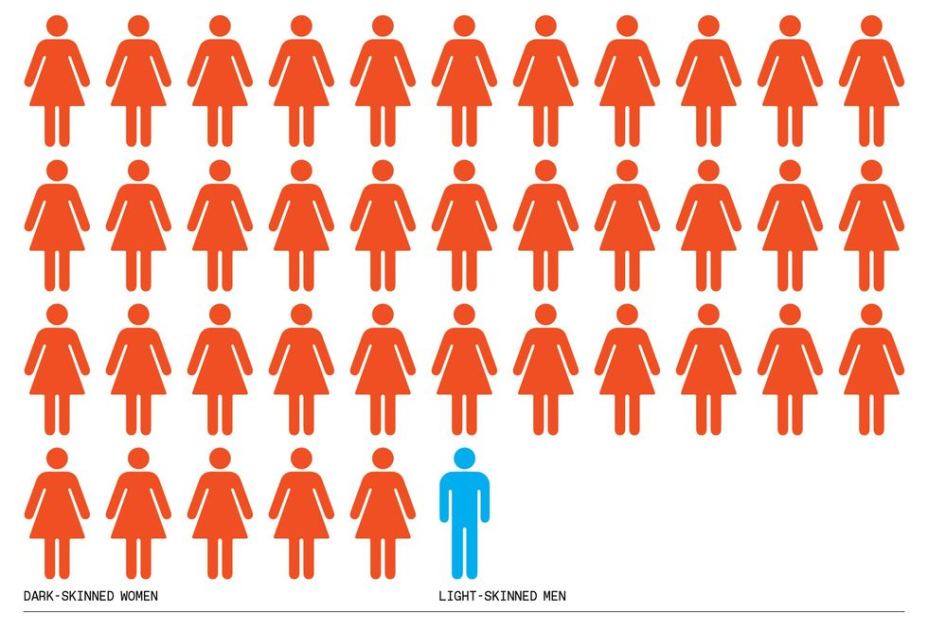
Facial recognition technology (FRT) dates back 60 years. Just over a decade ago, deep-learning methods tipped the technology into more useful—and menacing—territory. Now, retailers, your neighbors, and law enforcement are all storing your face and building up a fragmentary photo album of your life.Yet the story those photos can tell inevitably has errors. FRT makers, like those of any diagnostic technology, must balance two types of errors: false positives and false negatives. There are three possible outcomes.Three Possible Outcomes a) identifies the suspect, since the two images are of the same person, according to the software. Success! b) matches another person in the footage with the suspect’s probe image. A false positive, coupled with sloppy verification, could put the wrong person behind bars and lets the real criminal escape justice. c) fails to find a match at all. The suspect may be evading cameras, but if cameras just have low-light or bad-angle images, this creates
UPVOTERS
Community appreciation
See who found this content valuable and showed their support.
TOPICS
Explore the same topics
Discover more content from the topics this post is mapped to.
Keep browsing
Explore more from this topic
Dive into the full feed of curated posts covering Robotics & Automation.
Discussion
Jump in and comment!
Get the ball rolling with your comment!