
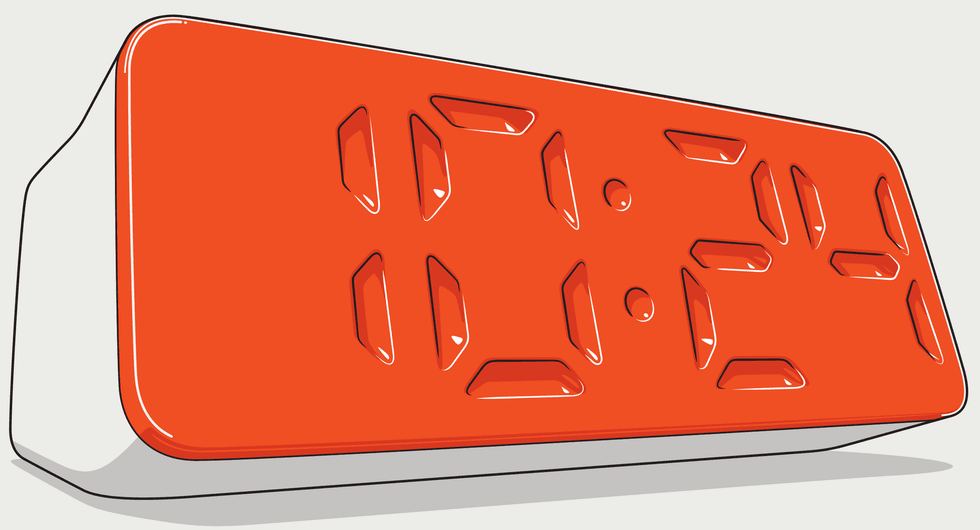
Electrons are great. We use them to move vehicles, illuminate cities, and, of course, compute. But computation is not confined to the world of electronics. And shifting to alternative nonelectronic realms can unlock unique advantages: Photonic chips, for instance, process information with light while generating little heat. Another compelling alternative is fluidics, which uses pressurized gases or liquids to build logic circuits. Pioneered in the 1960s but sidelined by microchips, the field reemerged in the 1990s as “microfluidics.” This approach aims to shrink laboratories onto a single chip by creating microscopic fluid channels with integrated micropneumatic control systems.Today, there is a second fluidic revival, this time in the domain of soft robotics. Scaling microfluidic designs up to the millimeter-scale range (millifluidics) enables the higher flow rates necessary to drive robotic actuators. These robots exploit the nonlinear behaviors of soft materials to create lifel
UPVOTERS
Community appreciation
See who found this content valuable and showed their support.
TOPICS
Explore the same topics
Discover more content from the topics this post is mapped to.
Keep browsing
Explore more from this topic
Dive into the full feed of curated posts covering Robotics & Automation.
Discussion
Your thoughts matter!
Your input is valuable—be the first to share it!