
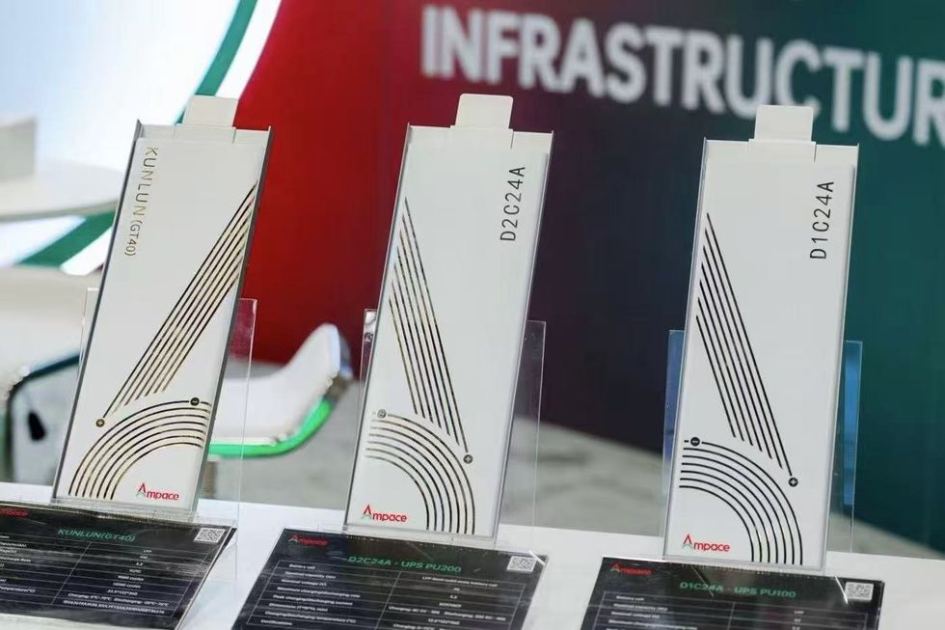
Neutralizing the Gigascale Problem: How to Solve the Physical Power Paradox of Extreme AI Training Loads
This sponsored article is brought to you by Ampace.As AI workloads grow to gigascale levels, the global data center industry has hit a hidden physical wall. The real bottleneck is no longer just the thermal limit of the chip or the capacity of the cooling system — it is the dynamic resilience of the power chain.Modern AI computing clusters, driven by massive GPU clusters, generate high-frequency, abrupt, and synchronized spikey pulse loads. As rack densities soar beyond 100 kW, these fluctuations are amplified into a “power paradox”: while the digital logic of AI is moving faster than ever, the physical infrastructure supporting it remains tethered to legacy response capabilities.The power usage of these gigascale sites and their drastic, high frequency, abrupt load surges from the AI GPU clusters can trigger transient voltage events and frequency instability, risking the entire local grid. The grid itself is not robust enough to support these loads. This leads to the infrastruc
UPVOTERS
Community appreciation
See who found this content valuable and showed their support.
No upvotes yet.
Be the first to show your appreciation for this content.
TOPICS
Explore the same topics
Discover more content from the topics this post is mapped to.
Keep browsing
Explore more from this topic
Dive into the full feed of curated posts covering Robotics & Automation.
Discussion
Your thoughts matter!
Your input is valuable—be the first to share it!