
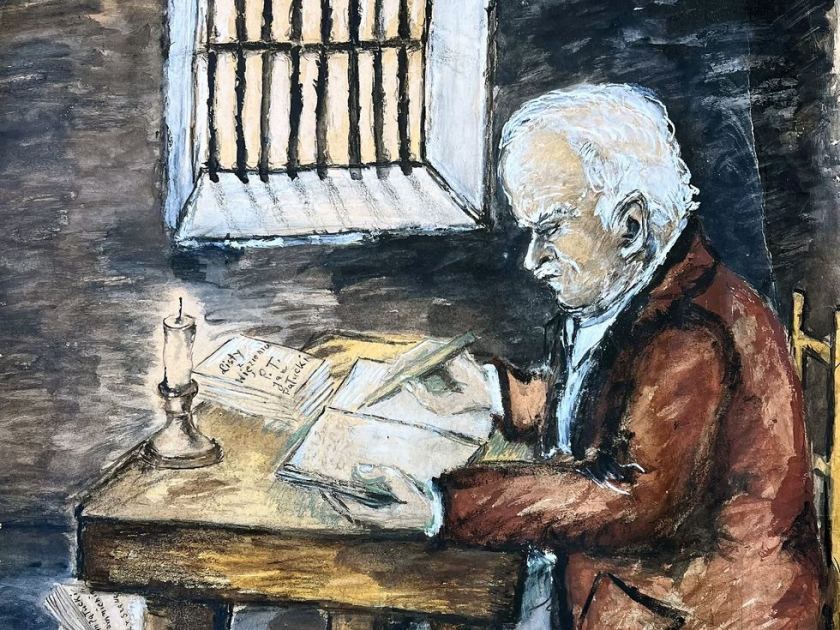
During times of political turmoil, history often gets rewritten, erased, or lost. That is what happened to the legacy of Jan Czochralski, a Polish chemist whose contributions to semiconductor manufacturing were expunged after World War II.In 1916 he invented a method for growing single crystals of semiconductors, metals, and synthetic gemstones. The process, now known as the Czochralski method, allows scientists to have more control over a semiconductor’s quality.After the war ended, Czochralski was falsely accused by the Polish government of collaborating with the Germans and betraying his country, according to an article published by the International Union of Crystallography. The allegation apparently ended his academic career as a professor at the Warsaw University of Technology and led to the erasure of his name and work from the school’s records.He died in 1953 in obscurity in his hometown of Kcynia.The Czochralski method was honored in 2019 with an IEEE Milestone for enabli
UPVOTERS
Community appreciation
See who found this content valuable and showed their support.
TOPICS
Explore the same topics
Discover more content from the topics this post is mapped to.
Keep browsing
Explore more from this topic
Dive into the full feed of curated posts covering Robotics & Automation.
Discussion
Be the first to comment
Add your perspective to get the discussion started.