
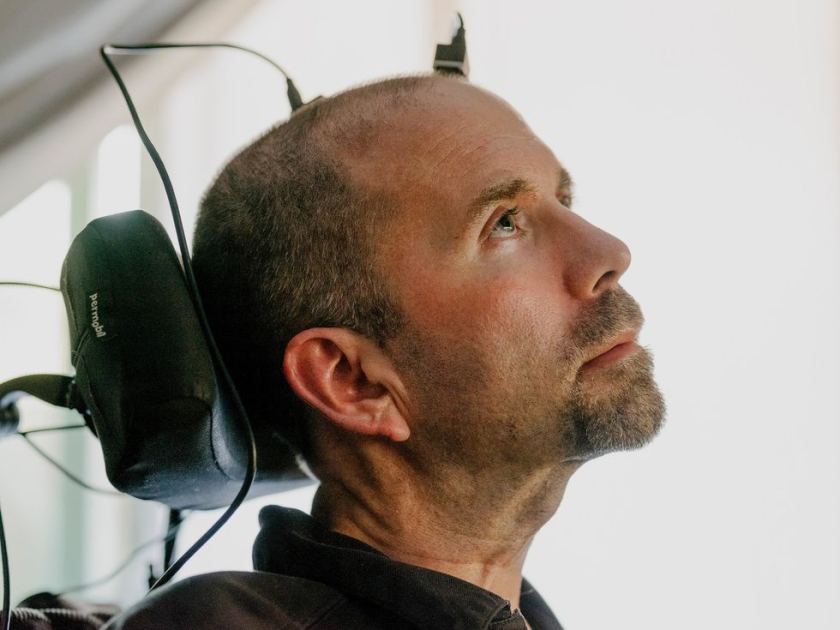
Scott Imbrie vividly remembers the first time he used a robotic arm to shake someone’s hand and felt the robotic limb as if it were his own. “I still get goosebumps when I think about that initial contact,” he says. “It’s just unexplainable.” The moment came courtesy of a brain implant: an array of electrodes that let him control a robotic arm and receive tactile sensations back to the brain.Getting there took decades. In 1985, Imbrie had woken up in the hospital after a car accident with a broken neck and a doctor telling him he’d never use his hands or legs again. His response was an expletive, he says—and a decision. “I’m not going to allow someone to tell me what I can and can’t do.” With the determination of a head-strong 22-year-old, Imbrie gradually regained the ability to walk and some limited arm movement. Aware of how unusual his recovery was, the Illinois-native wanted to help others in similar situations and began looking for research projects relat
UPVOTERS
Community appreciation
See who found this content valuable and showed their support.
TOPICS
Explore the same topics
Discover more content from the topics this post is mapped to.
Keep browsing
Explore more from this topic
Dive into the full feed of curated posts covering Robotics & Automation.
Discussion
Jump in and comment!
Get the ball rolling with your comment!