
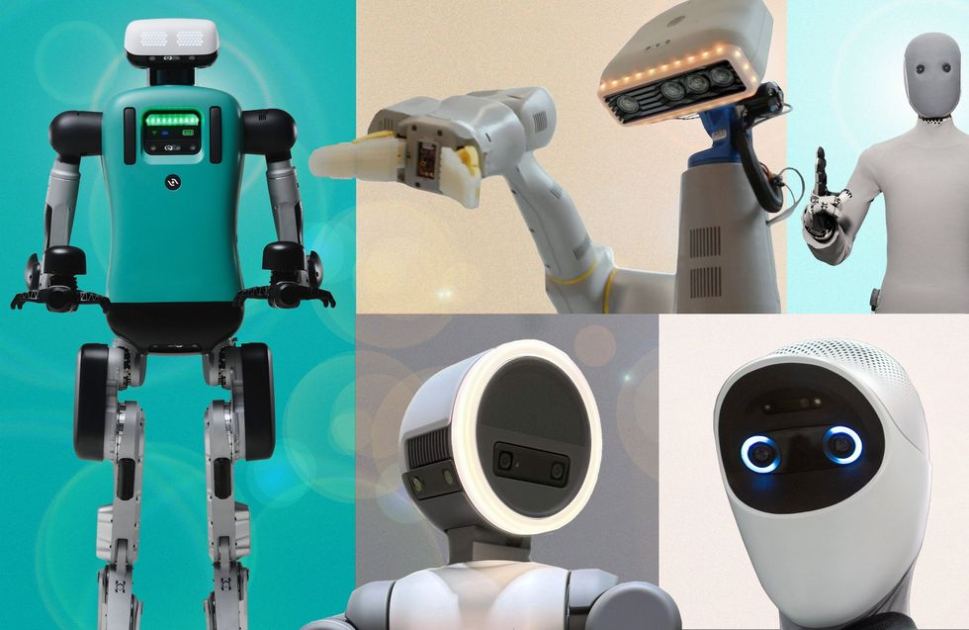
Over the next few decades, billions of autonomous, AI-powered robots will work alongside people in factories, perform tedious tasks in warehouses, care for the elderly, assist in unsafe disaster areas, deliver packages and food to our doorsteps, and eventually, help out in our homes. Some will look like us, and many won’t. What is certain is that regardless of form factor, robots will all rely heavily on AI in order to deliver real-world value.In 2025, total investments in robotics companies reached a record $40.7 billion, accounting for 9 percent of all venture funding. The multibillion dollar question therefore is this: What will it take for AI-powered robots to begin to have a serious economic impact? Many of today’s robotics and AI companies are making bold claims, such as that humanoid robots will soon be coming into our homes, but there’s still a big gap between promise and reality.The promise of robots that live and work alongside us has been the stuff of science fiction
UPVOTERS
Community appreciation
See who found this content valuable and showed their support.
TOPICS
Explore the same topics
Discover more content from the topics this post is mapped to.
Keep browsing
Explore more from this topic
Dive into the full feed of curated posts covering Robotics & Automation.
Discussion
Take the lead—comment now
Lead the way—your insights can inspire others.