
Meet NASA Low Outgassing Standards With Adhesives for Aerospace and Optical Systems
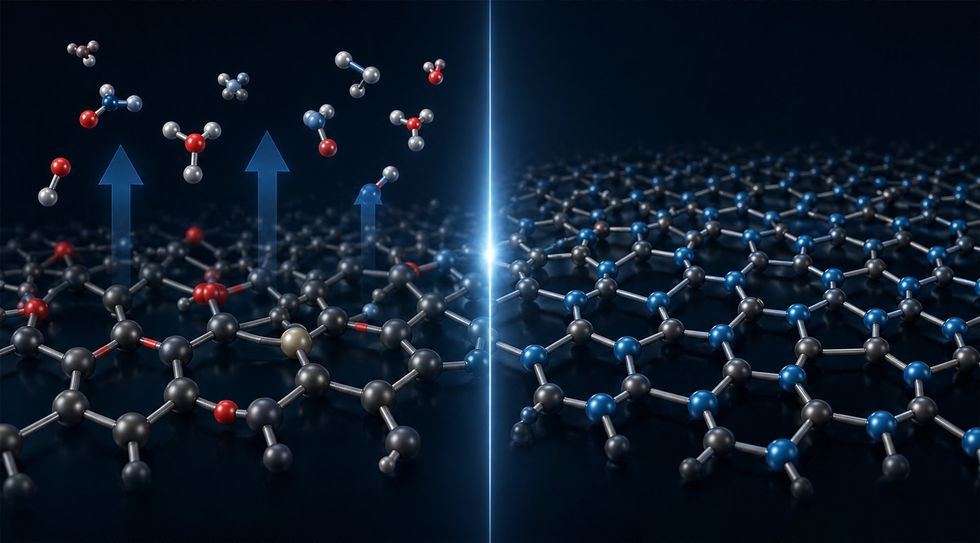
This sponsored article is brought to you by Master Bond.Outgassing is the release of volatile substances from a cured adhesive over time. These released materials, which may include residual solvents, unreacted monomers, or other chemical species, can deposit on nearby surfaces, causing contamination that interferes with sensitive components.What Is Outgassing and How Is It Measured?The industry standard for measuring outgassing is ASTM E595, developed by NASA. This test exposes a cured sample to 125 °C at high vacuum (10⁻⁵ to 10⁻⁶ torr) for 24 hours, measuring Total Mass Loss (TML) and Collected Volatile Condensable Materials (CVCM). To meet NASA low outgassing requirements, materials must exhibit less than 1 percent TML and less than 0.1 percent CVCM.Optical assemblies need contamination-free bonding and prevention of fogging the optics to maintain clarity. High-vacuum scientific equipment, semiconductor manufacturing tools, and aerospace electronics also demand low outgass
UPVOTERS
Community appreciation
See who found this content valuable and showed their support.
No upvotes yet.
Be the first to show your appreciation for this content.
TOPICS
Explore the same topics
Discover more content from the topics this post is mapped to.
Keep browsing
Explore more from this topic
Dive into the full feed of curated posts covering Robotics & Automation.
Discussion
Be the first to comment
Add your perspective to get the discussion started.