
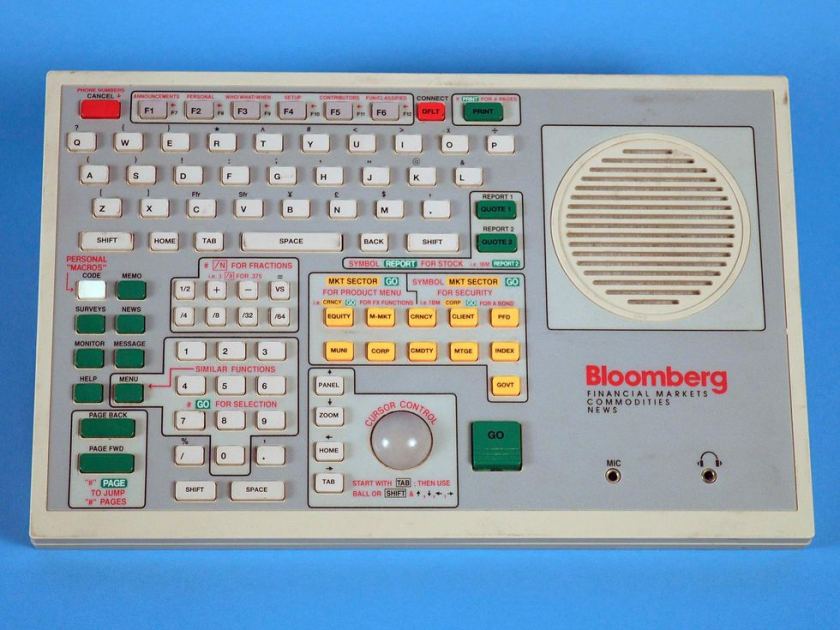
Financial markets have always relied on timely information, and the drive for timeliness has always adapted to the latest technology. From clipper ships transiting the oceans to telegraph wires connecting cities to fiber-optic cables conducting trades in microseconds, traders have embraced any advantage to get the most up-to-date information. Indeed, the history of finance is really a story about how fast you can move information and who controls the interface. It’s only natural that people also figured out a way to profit by supplying that market intel. In 1841, for example, the Mercantile Exchange (predecessor to Dun & Bradstreet) began selling proprietary business information to its U.S. clients. The following decade, Paul Julius Reuter began selling news services and stock price information. To supplement the company’s telegraph dispatches, he sent pigeons between Aachen, Germany, and Brussels; each bird carried a cylinder containing slips of paper with that day’s stock pric
UPVOTERS
Community appreciation
See who found this content valuable and showed their support.
No upvotes yet.
Be the first to show your appreciation for this content.
TOPICS
Explore the same topics
Discover more content from the topics this post is mapped to.
Keep browsing
Explore more from this topic
Dive into the full feed of curated posts covering Robotics & Automation.
Discussion
Leave the first comment
Be the first to leave a mark on this discussion.